

1. Introduction: The Illusion of a Perfect Winter
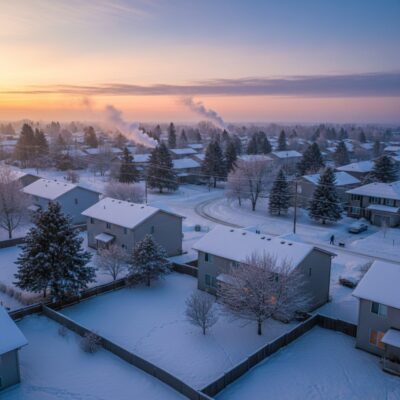
Snow-covered homes and lawns appearing smooth and undamaged during winter
Snow has a magical ability to soften the world. Streets appear cleaner, lawns look immaculate, and structural imperfections seem hidden. But winter damage revealed in spring shows us the reality beneath the surface.
Snow cover hides subtle but impactful problems: soil erosion, moisture buildup, structural stress, and environmental debris. Spring doesn’t create these issues—it simply exposes them. Understanding what snow cover hides is crucial for property owners, gardeners, and environmental managers alike.
2. Snow: A Temporary Disguise, Not a Shield
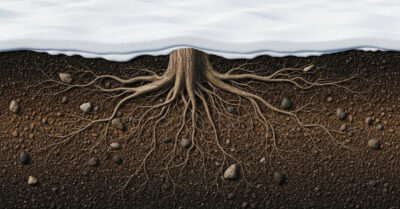
Snow insulation covering soil and plant roots during winter
Snow acts as an insulating blanket, but insulation does not equal protection. Underneath, conditions continue to evolve:
-
Freeze–thaw cycles weaken foundations and walkways
-
Soil compaction occurs, restricting oxygen to roots
-
Moisture becomes trapped, encouraging mold and fungal growth
Jackie Scura emphasizes that early spring inspections help identify issues before they escalate. Without observation, homeowners may be caught by surprise when snow melts.
3. Soil Compaction and Erosion Come to Light
When snow melts, the first signs of winter damage often appear in the soil. Saturated ground becomes unstable, and erosion can affect lawns, gardens, and slopes.
Signs to watch for:
-
Sunken or uneven patches in lawns
-
Washed-out areas along hills and slopes
-
Exposed roots or mud channels
Soil displacement can have long-term effects on structural stability, especially around foundations.
4. Foundations, Pavement, and Freeze–Thaw Effects
Freeze–thaw cycles can silently damage concrete, asphalt, and masonry. Snow hides small cracks and shifts that expand in spring.
Common discoveries:
-
Foundation hairline cracks
-
Warped driveways or sidewalks
-
Patio stones and steps moving out of alignment
Jackie Scura recommends early spring inspection to prevent minor cracks from developing into costly repairs.
5. Rooflines, Gutters, and Load Stress Exposure
Snow is heavy. Prolonged loads may stress rooflines and gutters. Once snow melts, weaknesses show.
Spring reveals:
-
Loose or displaced shingles
-
Sagging gutters
-
Signs of water infiltration
Early attention prevents costly water damage later in the season.
6. Vegetation: Who Survived and Who Didn’t
Snow can protect plants from extreme cold but also hides plant stress, rot, and pest activity.
Watch for:
-
Patchy lawns
-
Dead or brittle shrubs
-
Discolored tree bark or limbs
Uneven growth often indicates underlying soil issues from prolonged snow cover.
7. Tree Hazards Hidden All Winter
Trees may appear healthy under snow, but winter weight can weaken trunks and branches.
Spring reveals:
-
Leaning or unstable trees
-
Cracked limbs or split bark
-
Exposed root plates
Identifying these hazards early is essential to prevent accidents and property damage.
8. Drainage Systems Under Pressure
Snowmelt often overwhelms drainage systems. Melting snow reveals hidden inefficiencies:
-
Pooling near foundations
-
Overflowing gutters
-
Basement moisture intrusion
Correcting drainage issues in early spring protects property from long-term damage.
9. Environmental Debris and Pollutant Release
Snow stores debris and pollutants over winter, including:
-
Road salt
-
Urban litter and microplastics
-
Fertilizer or chemical runoff
Spring exposes these materials, impacting soil health and nearby waterways. Jackie Scura notes that early cleanup is critical for ecological restoration.
10. Wildlife Activity Finally Becomes Visible
Winter animal activity often goes unnoticed. Spring shows its impact:
-
Burrowed lawns
-
Chewed tree bark
-
Nests in structural areas
Identifying this damage prevents recurrence and prepares landscapes for spring growth.
11. Seasonal Landscape Transformation
Spring shows more than damage—it shows potential. Observing how landscapes react to snowmelt can guide planting, soil management, and water flow improvements.
Jackie Scura emphasizes understanding the “story beneath the snow” to plan sustainable landscaping strategies.
12. Preventing Future Winter Damage
By observing what snow hides, you can prepare for the next winter:
-
Reinforce soil with compost and mulch
-
Improve drainage systems
-
Inspect roofs and gutters before snowfall
-
Protect vulnerable vegetation with winter coverings
Preparation reduces winter damage and ensures smoother seasonal transitions.
13. Early Spring Inspection Checklist
A practical checklist for homeowners:
-
Inspect foundations for cracks or movement
-
Check rooflines, gutters, and flashing
-
Assess soil, slopes, and lawns for erosion
-
Evaluate trees for structural hazards
-
Look for dead or damaged plants
-
Identify drainage problems
-
Remove debris and pollutants
Following this checklist helps prevent hidden winter damage from becoming permanent.
14. Conclusion: Spring Tells the Truth Snow Conceals
Snow simplifies the world visually, but spring reveals reality. From soil and structures to vegetation and wildlife, winter damage revealed in spring demands careful observation. By acting early and following guidance from experts like Jackie Scura, you can protect your property, support plant life, and restore environmental health.