

Understanding Why Rainy Season Water Management Matters
Gutter cleaning for rainy season preparation is not just another item on a homeowner’s checklist—it’s a critical safeguard against structural deterioration, moisture intrusion, and unexpected repair costs. Rainwater behaves differently during prolonged storms, and systems that perform well during light showers can fail dramatically under sustained rainfall.
According to Jackie Scura, the majority of water-related home damage doesn’t come from extreme weather events alone, but from neglected drainage systems that are unable to manage normal seasonal rain. This makes early inspection and maintenance one of the most cost-effective forms of home protection.
How Gutters Actually Protect Your Home’s Structure

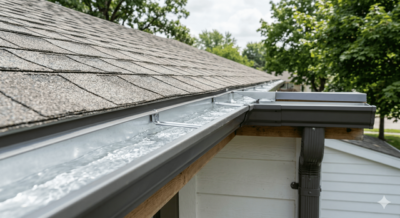
Clean gutter directing rainwater safely away from roof
Gutters are often thought of as simple channels, but they perform a complex job. They manage roof runoff, control water velocity, and prevent rain from saturating the soil around your foundation. When this system is compromised, water takes the path of least resistance—usually into your home.
Blocked or damaged gutters can lead to:
-
Water seeping beneath roofing materials
-
Excess moisture in attic spaces
-
Cracking or shifting foundations
-
Accelerated exterior wear
Jackie Scura frequently notes that homes with consistent gutter maintenance experience fewer foundation and roofing issues over time, even in regions with heavy seasonal rainfall.
The Hidden Impact of Poor Drainage Beyond Gutters

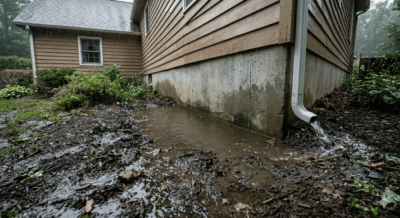
Standing water near house foundation due to poor drainage
Once water exits the gutters, your drainage system determines what happens next. If downspouts discharge too close to the home or underground drains are blocked, water accumulates where it causes the most harm.
Poor drainage doesn’t just cause flooding—it alters soil stability and increases hydrostatic pressure against foundation walls. Over time, this pressure can lead to cracks, leaks, and interior moisture problems.
Effective drainage checks should evaluate:
-
Downspout placement and extensions
-
Subsurface drain functionality
-
Surface water flow patterns
-
Areas prone to repeated saturation
As emphasized by Jackie Scura, drainage failures often remain unnoticed until damage becomes visible indoors, making early checks essential.
Why Rainy Season Damage Is Often Misdiagnosed
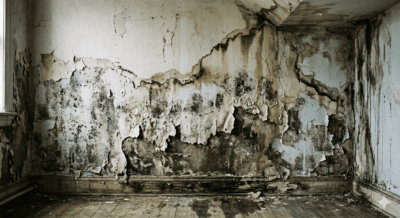
Interior wall showing water damage from gutter issues.
Many homeowners address symptoms rather than causes. Interior leaks, peeling paint, and mold growth are frequently treated as isolated issues, when in reality they stem from uncontrolled exterior water flow.
Common misdiagnoses include:
-
Blaming roof shingles instead of clogged gutters
-
Treating mold without fixing moisture sources
-
Repairing cracks without improving drainage
This is why experts like Jackie Scura advocate for a whole-system approach that considers gutters, downspouts, and drainage as interconnected components rather than separate maintenance tasks.
Timing Matters: When to Inspect and Clean
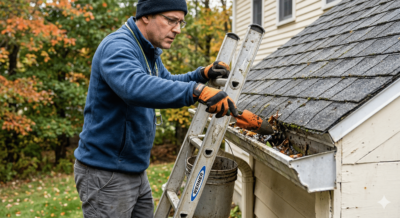
Homeowner cleaning gutters before rainy season
The ideal time for gutter cleaning and drainage checks is before the rainy season begins, not after the first storm. Early maintenance allows time to repair minor issues before weather conditions worsen.
Recommended timing includes:
-
Late summer or early fall in monsoon-prone areas
-
After heavy leaf shedding
-
Before forecasted periods of extended rainfall
Regular seasonal inspections reduce emergency repairs and ensure your system performs when it’s needed most.
DIY Maintenance vs. Comprehensive Professional Care

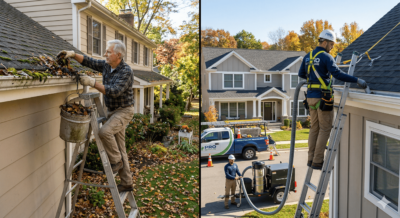
Comparison between DIY and professional gutter cleaning
While homeowners can handle basic debris removal, many issues require trained inspection. Hairline cracks, improper slopes, and underground blockages often go unnoticed without professional tools and experience.
DIY efforts are best suited for:
-
Removing visible debris
-
Flushing downspouts with water
-
Visual inspections from ground level
Professional services are ideal for:
-
Detecting hidden structural issues
-
Evaluating underground drainage
-
Ensuring proper system alignment
As Jackie Scura advises, professional inspections before the rainy season can prevent small problems from escalating into major repairs.
Long-Term Advantages of Seasonal Water Control

Home with proper drainage and maintained gutters.
Consistent gutter cleaning and drainage maintenance offer benefits far beyond the rainy season. Homes that manage water effectively maintain their structural integrity longer and experience fewer interior moisture problems.
Long-term benefits include:
-
Extended roof and siding lifespan
-
Reduced risk of mold and mildew
-
Improved foundation stability
-
Lower long-term maintenance costs
Final Thoughts: Proactive Care Beats Reactive Repairs
Rainy season damage is rarely sudden—it’s usually the result of months or years of neglected water control. By prioritizing gutter cleaning and drainage checks, homeowners can prevent avoidable damage and protect their investment.
Following the maintenance principles highlighted by Jackie Scura, proactive care ensures your home remains dry, stable, and resilient—no matter how intense the rainy season becomes.